
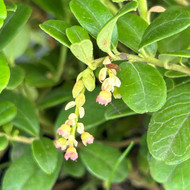
Blueberries, cranberries and lingonberries are part of the Vaccinium genus, and they belong to the Ericaceae family of heather or heathland plants, which thrive in acidic, well-drained soils. As the ideal pH for all three is between 4.0 and 5.00, it is unlikely that your own soil or a general multi-purpose compost will work. Instead, look for ericaceous compost – most garden centres will stock it – which is specifically formulated for all acid-loving plants such as blueberries, azaleas and rhododendrons. They also like a free-draining, well-aerated soil, so it is a good idea to mix in a little washed sand (it is washed to remove the lime that normal or ‘builders’ sand contains) or composted bark. I tend to use a mix of 60% ericaceous compost, 30% bark and 10% sand.
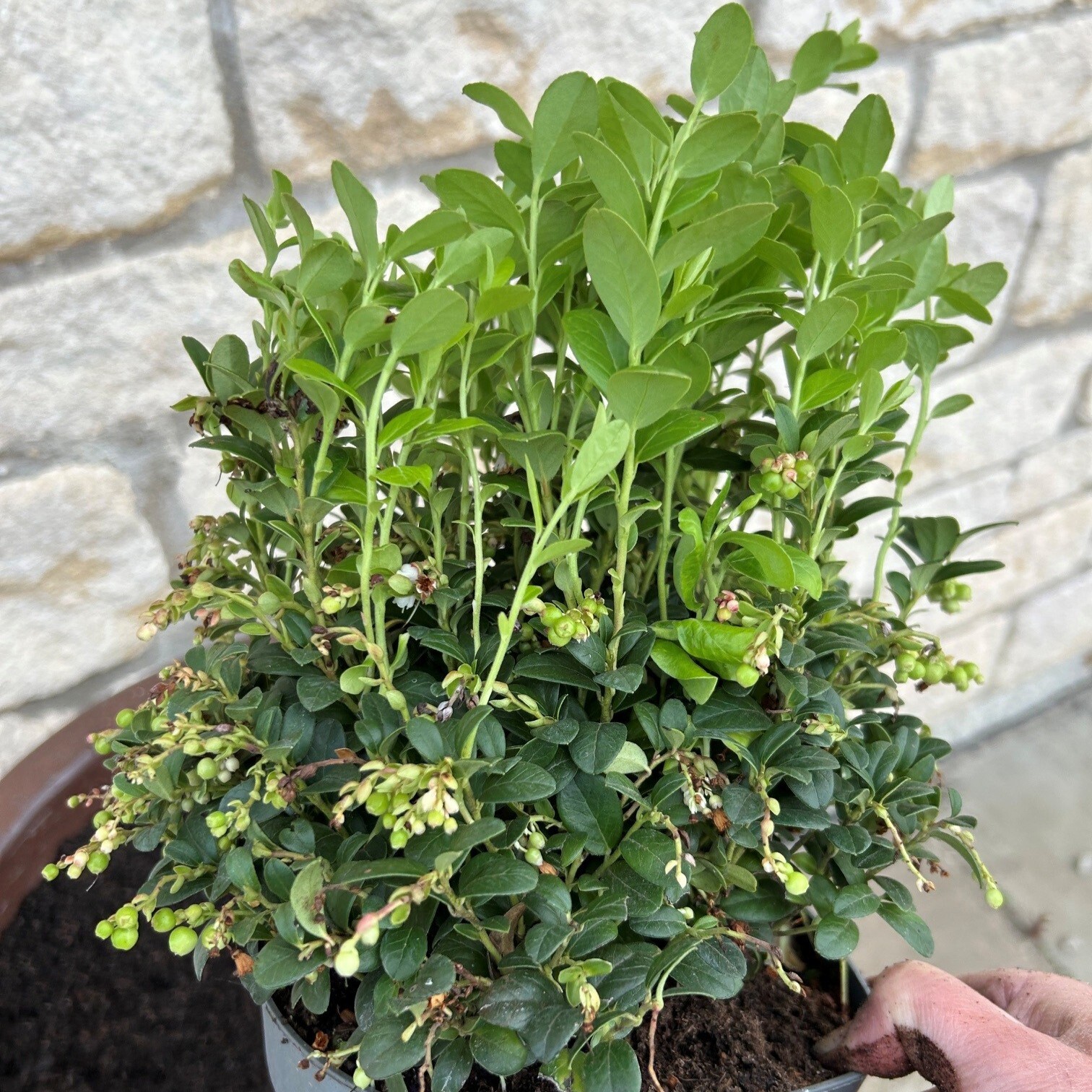
Known as the ‘Cowberry’ in parts of the UK, and native to large parts of colder areas of the Northern Hemisphere, from Newfoundland through to Scandinavia. The fruit is sweeter than a cranberry and has a stronger berry flavour, whilst also being extremely high in Vitamin C.
Unlike their sprawling cousins the cranberry, lingonberries are low-growing, compact semi-evergreen shrubs. They only reach about 20cm in height and stay neat and contained, so perfect for pot culture, spreading by underground runners which are easily kpet under control in a container. They also have two flowering periods, the first around May and the second in late summer, so they make very attractive plants - it is possible in late July to have a plant with both ripening berries and the second flush of flowers opening at the same time, all set against the bright acid-green foliage.
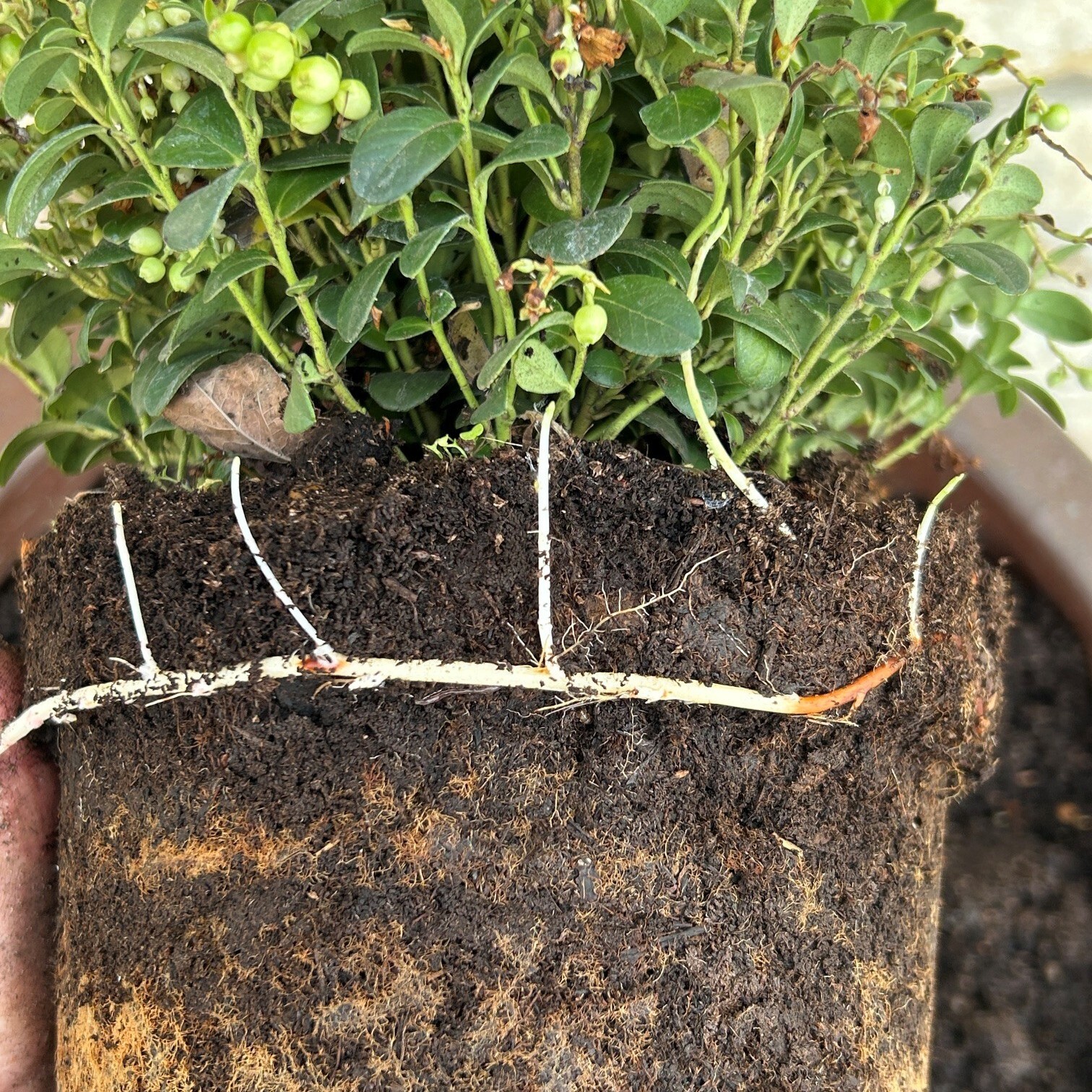
They are also extremely hardy, require the same acidic soil conditions as blueberries (a pH of about 4.5 is ideal), but prefer slightly drier conditions than either blueberries or cranberries, so if planting on their own definitely add plenty of washed sand in with the ericaceous compost. They have very low nutrient requirements, so again don't be tempted to over feed them - an occasional very diluted tomato feed will be more than enough.
Varieties to look out for – ‘Koralle’ and ‘Red Pearl’.
Buy Lingonberries here - Lingonberrys -from RV Roger Ltd