
<p>Shady corners can be one of the trickiest spots in a garden to plant up. Most plants rely on strong sunlight to photosynthesise and put on healthy growth, so a hedge planted in deep shade can quickly end up thin, leggy or slow to establish. The good news is that a number of species have evolved to cope with low light, growing naturally beneath the canopy of woodland trees, and these same varieties make attractive, reliable hedging for gardens that see little direct sun.</p>
<p>Our shade tolerant range includes woodland natives like Field Maple, Blackthorn, Dog Rose and Wayfaring Tree, all well suited to dappled or partial shade, plus tougher options like Common Privet and Elderberry that will hold their own even in fairly dark corners. Whether you're filling in the gloom beneath established trees or screening a north-facing boundary, there's a hedge here that will grow away happily without full sun.</p>
<p>**A note on plant size:** alongside the height of each plant, we list its age, since the two don't always go hand in hand. Plants marked "1/1" are two years old, and where available, "1/2" marks older, three-year-old stock. It's easy to find plants online that match our heights but have been raised from seed in a single season — ours are grown on for longer to build a stronger root system, so they establish faster and give your new hedge a proper start. You may find cheaper elsewhere, but not better.</p>
<p>FAQs</p>
<p><strong>1. Can a hedge really grow well in a shady garden?</strong><br />Yes. While most plants need good light to thrive, a number of species have naturally adapted to low-light conditions by growing under the canopy of woodland trees. These shade tolerant varieties, such as Field Maple, Blackthorn and Wayfaring Tree, can form an attractive, healthy hedge even where direct sun is limited.</p>
<p><strong>2. What's the difference between shade tolerant and shade loving plants?</strong><br />Shade tolerant plants can cope with reduced light and still put on reasonable growth, though they may grow a little slower than in full sun. True shade lovers actively prefer low light and can struggle in bright, exposed positions. Most hedging species, including those in this range, fall into the shade tolerant category, meaning they'll perform best in partial or dappled shade rather than deep, permanent darkness.</p>
<p><strong>3. Will these hedges still grow well in partial shade, or do they need some sun?</strong><br />Most of these species do best in partial or dappled shade, such as the light shade cast by nearby trees, rather than deep, permanent darkness. A little direct or filtered sunlight during part of the day will help them establish and grow more vigorously.</p>
<p><strong>4. Which plants in this range cope best with heavier shade?</strong><br />Woodland natives such as Field Maple (Acer campestre), Blackthorn (Prunus spinosa) and Wayfaring Tree (Viburnum lantana) are naturally suited to growing under a tree canopy, making them some of the most reliable choices for darker sites.</p>
<p><strong>5. Does a hedge grow more slowly in shade than in a sunny spot?</strong><br />Generally, yes. Because plants rely on light for photosynthesis, growth in low-light conditions tends to be a little slower than in full sun. Starting with a well-rooted plant, as ours are, helps offset this by giving the hedge a stronger foundation from which to grow.</p>
<p><strong>6. What does the "1/1" and "1/2" size marking mean?</strong><br />These markings indicate the plant's age rather than just its height. "1/1" means the plant is two years old, while "1/2" (offered for some varieties) means it's three years old. Older plants of the same height as younger ones typically have a stronger, more established root system.</p>
<p><strong>7. Why does plant age matter as much as plant height?</strong><br />Two plants can be the same height but very different ages — a taller, younger plant raised quickly from seed may have a weaker root system than an older plant of the same size. A well-developed root system helps a hedge establish faster, which is especially useful in the lower-growth conditions a shady site can create.</p>
<p><strong>8. Which species are included in the shade tolerant hedging range?</strong><br />The range currently includes Acer campestre (Field Maple), Cornus sanguinea, Crataegus monogyna (Hawthorn), Euonymus europaeus (Spindleberry), Frangula alnus, Ligustrum vulgare (Common Privet), Malus sylvestris (Wild Crab Apple), Prunus spinosa (Blackthorn), Rosa canina (Dog Rose), Sambucus nigra (Elderberry), Ulmus glabra, Viburnum lantana (Wayfaring Tree), and Viburnum opulus (Guelder Rose).</p>
<p>json { "@context": "https://schema.org", "@type": "FAQPage", "mainEntity": [ { "@type": "Question", "name": "Can a hedge really grow well in a shady garden?", "acceptedAnswer": { "@type": "Answer", "text": "Yes. While most plants need good light to thrive, a number of species have naturally adapted to low-light conditions by growing under the canopy of woodland trees. These shade tolerant varieties, such as Field Maple, Blackthorn and Wayfaring Tree, can form an attractive, healthy hedge even where direct sun is limited." } }, { "@type": "Question", "name": "What's the difference between shade tolerant and shade loving plants?", "acceptedAnswer": { "@type": "Answer", "text": "Shade tolerant plants can cope with reduced light and still put on reasonable growth, though they may grow a little slower than in full sun. True shade lovers actively prefer low light and can struggle in bright, exposed positions. Most hedging species, including those in this range, fall into the shade tolerant category, meaning they'll perform best in partial or dappled shade rather than deep, permanent darkness." } }, { "@type": "Question", "name": "Will these hedges still grow well in partial shade, or do they need some sun?", "acceptedAnswer": { "@type": "Answer", "text": "Most of these species do best in partial or dappled shade, such as the light shade cast by nearby trees, rather than deep, permanent darkness. A little direct or filtered sunlight during part of the day will help them establish and grow more vigorously." } }, { "@type": "Question", "name": "Which plants in this range cope best with heavier shade?", "acceptedAnswer": { "@type": "Answer", "text": "Woodland natives such as Field Maple (Acer campestre), Blackthorn (Prunus spinosa) and Wayfaring Tree (Viburnum lantana) are naturally suited to growing under a tree canopy, making them some of the most reliable choices for darker sites." } }, { "@type": "Question", "name": "Does a hedge grow more slowly in shade than in a sunny spot?", "acceptedAnswer": { "@type": "Answer", "text": "Generally, yes. Because plants rely on light for photosynthesis, growth in low-light conditions tends to be a little slower than in full sun. Starting with a well-rooted plant, as ours are, helps offset this by giving the hedge a stronger foundation from which to grow." } }, { "@type": "Question", "name": "What does the \"1/1\" and \"1/2\" size marking mean?", "acceptedAnswer": { "@type": "Answer", "text": "These markings indicate the plant's age rather than just its height. \"1/1\" means the plant is two years old, while \"1/2\" (offered for some varieties) means it's three years old. Older plants of the same height as younger ones typically have a stronger, more established root system." } }, { "@type": "Question", "name": "Why does plant age matter as much as plant height?", "acceptedAnswer": { "@type": "Answer", "text": "Two plants can be the same height but very different ages — a taller, younger plant raised quickly from seed may have a weaker root system than an older plant of the same size. A well-developed root system helps a hedge establish faster, which is especially useful in the lower-growth conditions a shady site can create." } }, { "@type": "Question", "name": "Which species are included in the shade tolerant hedging range?", "acceptedAnswer": { "@type": "Answer", "text": "The range currently includes Acer campestre (Field Maple), Cornus sanguinea, Crataegus monogyna (Hawthorn), Euonymus europaeus (Spindleberry), Frangula alnus, Ligustrum vulgare (Common Privet), Malus sylvestris (Wild Crab Apple), Prunus spinosa (Blackthorn), Rosa canina (Dog Rose), Sambucus nigra (Elderberry), Ulmus glabra, Viburnum lantana (Wayfaring Tree), and Viburnum opulus (Guelder Rose)." } } ] }</p>
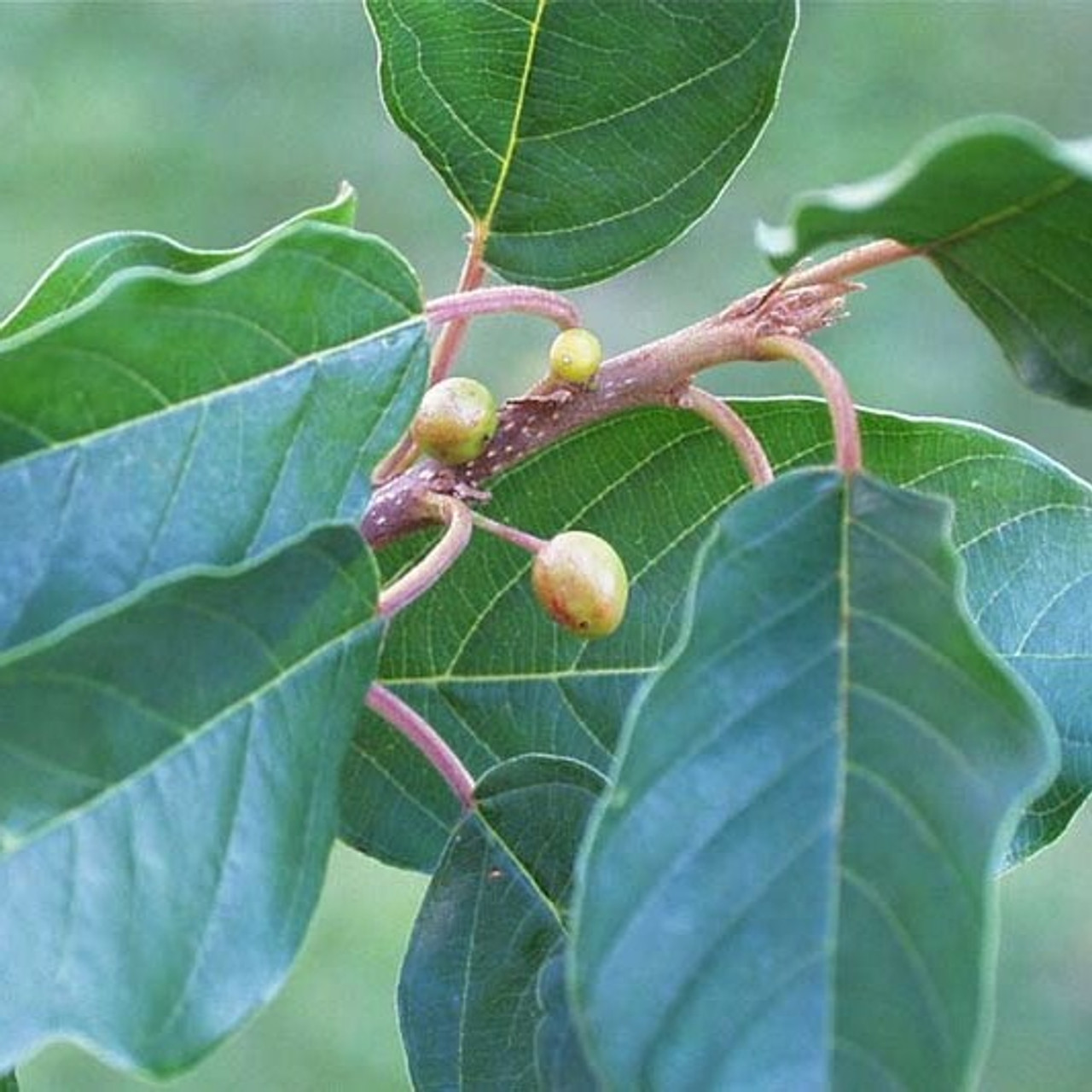
Shade tolerant hedging plants
Shady corners can be one of the trickiest spots in a garden to plant up. Most plants rely on strong sunlight to photosynthesise and put on healthy growth, so a hedge planted in deep shade can quickly end up thin, leggy or slow to establish. The good news is that a number of species have evolved to cope with low light, growing naturally beneath the canopy of woodland trees, and these same varieties make attractive, reliable hedging for gardens that see little direct sun.
Our shade tolerant range includes woodland natives like Field Maple, Blackthorn, Dog Rose and Wayfaring Tree, all well suited to dappled or partial shade, plus tougher options like Common Privet and Elderberry that will hold their own even in fairly dark corners. Whether you're filling in the gloom beneath established trees or screening a north-facing boundary, there's a hedge here that will grow away happily without full sun.
**A note on plant size:** alongside the height of each plant, we list its age, since the two don't always go hand in hand. Plants marked "1/1" are two years old, and where available, "1/2" marks older, three-year-old stock. It's easy to find plants online that match our heights but have been raised from seed in a single season — ours are grown on for longer to build a stronger root system, so they establish faster and give your new hedge a proper start. You may find cheaper elsewhere, but not better.
FAQs
1. Can a hedge really grow well in a shady garden?
Yes. While most plants need good light to thrive, a number of species have naturally adapted to low-light conditions by growing under the canopy of woodland trees. These shade tolerant varieties, such as Field Maple, Blackthorn and Wayfaring Tree, can form an attractive, healthy hedge even where direct sun is limited.
2. What's the difference between shade tolerant and shade loving plants?
Shade tolerant plants can cope with reduced light and still put on reasonable growth, though they may grow a little slower than in full sun. True shade lovers actively prefer low light and can struggle in bright, exposed positions. Most hedging species, including those in this range, fall into the shade tolerant category, meaning they'll perform best in partial or dappled shade rather than deep, permanent darkness.
3. Will these hedges still grow well in partial shade, or do they need some sun?
Most of these species do best in partial or dappled shade, such as the light shade cast by nearby trees, rather than deep, permanent darkness. A little direct or filtered sunlight during part of the day will help them establish and grow more vigorously.
4. Which plants in this range cope best with heavier shade?
Woodland natives such as Field Maple (Acer campestre), Blackthorn (Prunus spinosa) and Wayfaring Tree (Viburnum lantana) are naturally suited to growing under a tree canopy, making them some of the most reliable choices for darker sites.
5. Does a hedge grow more slowly in shade than in a sunny spot?
Generally, yes. Because plants rely on light for photosynthesis, growth in low-light conditions tends to be a little slower than in full sun. Starting with a well-rooted plant, as ours are, helps offset this by giving the hedge a stronger foundation from which to grow.
6. What does the "1/1" and "1/2" size marking mean?
These markings indicate the plant's age rather than just its height. "1/1" means the plant is two years old, while "1/2" (offered for some varieties) means it's three years old. Older plants of the same height as younger ones typically have a stronger, more established root system.
7. Why does plant age matter as much as plant height?
Two plants can be the same height but very different ages — a taller, younger plant raised quickly from seed may have a weaker root system than an older plant of the same size. A well-developed root system helps a hedge establish faster, which is especially useful in the lower-growth conditions a shady site can create.
8. Which species are included in the shade tolerant hedging range?
The range currently includes Acer campestre (Field Maple), Cornus sanguinea, Crataegus monogyna (Hawthorn), Euonymus europaeus (Spindleberry), Frangula alnus, Ligustrum vulgare (Common Privet), Malus sylvestris (Wild Crab Apple), Prunus spinosa (Blackthorn), Rosa canina (Dog Rose), Sambucus nigra (Elderberry), Ulmus glabra, Viburnum lantana (Wayfaring Tree), and Viburnum opulus (Guelder Rose).
json { "@context": "https://schema.org", "@type": "FAQPage", "mainEntity": [ { "@type": "Question", "name": "Can a hedge really grow well in a shady garden?", "acceptedAnswer": { "@type": "Answer", "text": "Yes. While most plants need good light to thrive, a number of species have naturally adapted to low-light conditions by growing under the canopy of woodland trees. These shade tolerant varieties, such as Field Maple, Blackthorn and Wayfaring Tree, can form an attractive, healthy hedge even where direct sun is limited." } }, { "@type": "Question", "name": "What's the difference between shade tolerant and shade loving plants?", "acceptedAnswer": { "@type": "Answer", "text": "Shade tolerant plants can cope with reduced light and still put on reasonable growth, though they may grow a little slower than in full sun. True shade lovers actively prefer low light and can struggle in bright, exposed positions. Most hedging species, including those in this range, fall into the shade tolerant category, meaning they'll perform best in partial or dappled shade rather than deep, permanent darkness." } }, { "@type": "Question", "name": "Will these hedges still grow well in partial shade, or do they need some sun?", "acceptedAnswer": { "@type": "Answer", "text": "Most of these species do best in partial or dappled shade, such as the light shade cast by nearby trees, rather than deep, permanent darkness. A little direct or filtered sunlight during part of the day will help them establish and grow more vigorously." } }, { "@type": "Question", "name": "Which plants in this range cope best with heavier shade?", "acceptedAnswer": { "@type": "Answer", "text": "Woodland natives such as Field Maple (Acer campestre), Blackthorn (Prunus spinosa) and Wayfaring Tree (Viburnum lantana) are naturally suited to growing under a tree canopy, making them some of the most reliable choices for darker sites." } }, { "@type": "Question", "name": "Does a hedge grow more slowly in shade than in a sunny spot?", "acceptedAnswer": { "@type": "Answer", "text": "Generally, yes. Because plants rely on light for photosynthesis, growth in low-light conditions tends to be a little slower than in full sun. Starting with a well-rooted plant, as ours are, helps offset this by giving the hedge a stronger foundation from which to grow." } }, { "@type": "Question", "name": "What does the \"1/1\" and \"1/2\" size marking mean?", "acceptedAnswer": { "@type": "Answer", "text": "These markings indicate the plant's age rather than just its height. \"1/1\" means the plant is two years old, while \"1/2\" (offered for some varieties) means it's three years old. Older plants of the same height as younger ones typically have a stronger, more established root system." } }, { "@type": "Question", "name": "Why does plant age matter as much as plant height?", "acceptedAnswer": { "@type": "Answer", "text": "Two plants can be the same height but very different ages — a taller, younger plant raised quickly from seed may have a weaker root system than an older plant of the same size. A well-developed root system helps a hedge establish faster, which is especially useful in the lower-growth conditions a shady site can create." } }, { "@type": "Question", "name": "Which species are included in the shade tolerant hedging range?", "acceptedAnswer": { "@type": "Answer", "text": "The range currently includes Acer campestre (Field Maple), Cornus sanguinea, Crataegus monogyna (Hawthorn), Euonymus europaeus (Spindleberry), Frangula alnus, Ligustrum vulgare (Common Privet), Malus sylvestris (Wild Crab Apple), Prunus spinosa (Blackthorn), Rosa canina (Dog Rose), Sambucus nigra (Elderberry), Ulmus glabra, Viburnum lantana (Wayfaring Tree), and Viburnum opulus (Guelder Rose)." } } ] }