
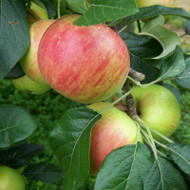
Once your fruit tree is established, it requires surprisingly little maintenance. A few simple tasks carried out at the right time of year will help keep your tree healthy, productive and looking its best for many years.
Successful fruit growing isn't about constantly tending your trees. It's about understanding what they need during each season. By watering when necessary, feeding appropriately, pruning at the correct time and keeping an eye out for pests and diseases, you'll encourage strong growth and reliable harvests year after year. Whether you've planted a single apple tree in a small garden or you're establishing a traditional orchard, following a simple annual routine will help your trees flourish.
Spring – Growth Begins
Spring is one of the busiest times in the fruit garden. As temperatures rise, buds begin to swell, blossom appears and pollinating insects become increasingly active. This is the season when the groundwork for your harvest is laid.
Protect blossom from late frosts
Although most fruit trees are fully hardy, their blossom can be vulnerable to late frosts. On clear nights, cold air settles in low-lying areas and can damage flowers before fruit has had chance to develop. If frost is forecast and your tree is small enough, covering it overnight with horticultural fleece can provide some protection. Remove the fleece during the day to allow insects access to the flowers for pollination.
Choosing a planting site with good air circulation and avoiding frost pockets is often the most effective long-term solution.
Encourage pollinating insects
Without pollinators, many fruit trees simply won't produce worthwhile crops. You can encourage bees and other beneficial insects by:
- Planting nectar-rich flowers nearby.
- Avoiding insecticides while trees are in blossom.
- Providing a range of flowering plants throughout spring.
- Leaving areas of the garden slightly less manicured to support wildlife.
A healthy population of pollinating insects benefits the entire garden, not just your fruit trees.
Apply a spring feed
As new growth begins, young fruit trees appreciate a balanced fertiliser to support healthy leaves, shoots and developing fruit. More mature trees with established root systems will generally need a high potash feed (e.g. Sulphate of Potash), taking the other nutrients they need from the soil.
Apply fertiliser around the drip line of the tree rather than directly against the trunk, and water well if conditions are dry. Avoid excessive nitrogen, which encourages vigorous leafy growth at the expense of flowers and fruit.
Summer – Fruit Development
Summer is when your tree puts most of its energy into growing fruit. Regular observation during this period often prevents small problems becoming larger ones.
Water deeply during dry weather
Established fruit trees cope remarkably well with normal British weather, but prolonged periods without rain can affect fruit size and quality. Young trees, particularly during their first two or three years, need more attention. Rather than watering little and often, give the tree a thorough soak so moisture reaches the deeper roots. Container-grown fruit trees require much more frequent watering because compost dries out more quickly than garden soil.
Thin heavy crops
Many apple and pear trees naturally shed some fruit during early summer in a process known as the June drop. After this, you may still find clusters carrying several developing fruits. Removing some of these allows the remaining fruit to develop better size and flavour while reducing strain on the branches. Fruit thinning also helps reduce biennial bearing, encouraging more consistent crops from year to year.
Check supports and ties
Young trees should be inspected regularly to ensure stakes remain secure. Tree ties should support the trunk without rubbing against the bark. Loosen or adjust ties where necessary to prevent damage as the tree grows.
Autumn – Harvest and Preparation
Autumn is undoubtedly the most rewarding season for fruit growers. After months of care, it's finally time to enjoy the results.
When should I harvest fruit?
Different varieties ripen at different times, so there is no single harvest date. A ripe apple or pear should come away from the branch with a gentle twist rather than needing to be pulled. Many dessert apples develop their best flavour after a short period of storage, while cooking apples are often harvested slightly earlier depending on how they are to be used.
Plums, cherries and gages are generally best enjoyed soon after picking, when their flavour is at its peak.
Remove fallen fruit
Collect windfalls regularly, particularly if fruit has become damaged or diseased. Leaving fallen fruit beneath the tree can encourage pests and allow diseases to overwinter. Healthy windfalls can be composted or used in the kitchen, while diseased fruit should be disposed of responsibly rather than added to the compost heap.
Plant new fruit trees
Autumn marks the beginning of the bare-root planting season, making it one of the best times to establish new fruit trees. Soils are still relatively warm, rainfall usually increases and the tree can begin developing roots before spring arrives. For many gardeners, this is the ideal time to expand an existing orchard or replace older trees.
Winter – Rest and Planning
Although fruit trees appear dormant, winter is an important season for maintenance.
Winter pruning
Apples and pears are generally pruned while dormant. This is the perfect opportunity to:
- Remove dead or damaged branches.
- Improve the overall shape.
- Encourage productive new growth.
- Remove crossing branches.
Stone fruits should normally wait until summer for pruning.
Apply mulch
Refreshing organic mulch around the base of the tree helps improve soil structure, suppress weeds and conserve moisture for the following growing season. Leave a clear gap around the trunk to allow good air circulation.
Inspect your trees
Winter, when branches are bare, makes it much easier to spot:
- Damaged limbs.
- Loose tree ties.
- Signs of canker.
- Bark damage caused by rabbits or other animals.
- Structural problems that may need attention before spring.
Common Problems and Their Solutions
Even healthy fruit trees occasionally experience problems. Fortunately, most are easy to identify and manage if caught early.
|
Problem |
Possible Cause |
What to Do |
|
Poor fruiting |
Lack of pollination, tree too young or frost damage |
Check pollination requirements and allow time for the tree to mature. |
|
Small fruit |
Heavy crop load or drought |
Thin developing fruit and water during prolonged dry spells. |
|
Yellow leaves |
Nutrient deficiency, poor drainage or drought |
Improve growing conditions and feed appropriately. |
|
Curled leaves |
Aphids or environmental stress |
Inspect young shoots and encourage natural predators where possible. |
|
Branch dieback |
Disease or physical damage |
Prune affected wood back to healthy growth and maintain good hygiene. |
|
Split branches |
Heavy crops |
Thin fruit and support heavily laden branches where necessary. |
If you're unsure of the cause, photographs and a description of the symptoms can often help us advise you on the best course of action.
A Month-by-Month Fruit Tree Calendar
|
Month |
Jobs to Do |
|
January |
Prune apples and pears if conditions are suitable. Inspect stakes and ties. |
|
February |
Finish winter pruning. Prepare planting sites for new trees. |
|
March |
Feed trees and apply mulch. Watch for swelling buds. |
|
April |
Enjoy blossom. Monitor for frost and encourage pollinating insects. |
|
May |
Water young trees if dry. Check fruit set after flowering. |
|
June |
Thin heavy crops after the June drop. Continue watering where needed. |
|
July |
Inspect trees regularly for pests and diseases. Summer prune trained apples if required. |
|
August |
Harvest early varieties. Continue watering container-grown trees. |
|
September |
Pick autumn fruit. Prepare for bare-root planting season. |
|
October |
Plant bare-root trees as the season begins. Clear fallen fruit and leaves. |
|
November |
Continue planting while conditions remain suitable. Apply mulch. |
|
December |
Check tree guards, stakes and orchard maintenance during dormancy. |
RV Roger's Advice
Fruit trees are among the most rewarding plants you can grow. Unlike many ornamental trees, they repay your care not only with beautiful spring blossom and autumn colour, but with baskets of home-grown fruit that can be enjoyed fresh, cooked or stored.
The secret isn't complicated. Choose the right tree for your space, plant it well, give it a little attention through the seasons and allow nature to do the rest.
Many of the finest orchard trees in Britain today were planted decades ago by gardeners who simply took the time to get the basics right. With the right variety, the right rootstock and a little ongoing care, there's every reason to believe your tree will still be producing fruit for future generations.