
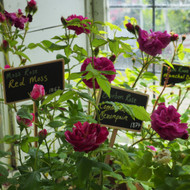
Choosing the Right Rose for Your Garden
Few plants have earned their place in British gardens quite like the rose. From the elegant blooms of Hybrid Tea roses to the abundant clusters of Floribundas and the graceful stems of climbing roses, there is a variety to suit almost every garden, no matter its size or style.
Roses have been cultivated for centuries, not only for their beauty but also for their remarkable versatility. They can provide colour from early summer through to autumn, fill the garden with fragrance, support pollinating insects and create striking focal points in borders, containers, pergolas and walls.
With so many types of rose available, choosing the right one can seem overwhelming. Many gardeners begin by selecting a favourite flower colour, but long-term success depends on much more than appearance alone. Considering your available space, soil, growing conditions and how you want the rose to perform will help ensure years of healthy growth and reliable flowering.
At RV Roger Ltd, we believe the best rose is one that suits your garden, your lifestyle and the amount of time you want to spend maintaining it. Whether you're planting a single rose in a cottage garden or creating a formal rose border, choosing the right variety from the outset will always produce better results than trying to make the wrong rose fit the wrong place.
What should I consider before buying a rose?
Before choosing a variety, it's worth asking yourself a few simple questions.
Where will the rose be planted?
Most roses thrive in a position receiving at least six hours of direct sunlight each day. Good sunlight encourages stronger growth, healthier foliage and more abundant flowers.
Although some varieties will tolerate light shade, heavily shaded positions often result in fewer blooms and an increased risk of fungal diseases.
Equally important is good air circulation. Roses appreciate an open position where leaves can dry quickly after rain, helping to reduce problems such as black spot and powdery mildew.
How much space do you have?
One of the most common mistakes is underestimating the mature size of a rose.
A compact patio rose may reach only 60cm in height, while a vigorous rambler can easily cover a mature tree or large outbuilding.
Allowing enough room for the plant to reach its natural size reduces future pruning and improves air movement through the plant, leading to healthier growth.
Always check the expected height and spread before planting.
What style of garden do you have?
Different roses complement different garden styles.
Formal gardens often feature symmetrical beds planted with Hybrid Tea or Floribunda roses.
Cottage gardens suit shrub and English-style roses with softer planting schemes.
Modern gardens frequently use repeat-flowering shrub roses or simple white climbers to soften walls and fences.
Wildlife-friendly gardens benefit from single-flowered roses, species roses and varieties that produce colourful hips in autumn.
How much maintenance are you happy to do?
Some roses require more attention than others.
Hybrid Tea roses reward careful pruning and feeding with large exhibition-quality blooms.
Shrub roses generally need less detailed pruning while still producing an abundance of flowers.
Ground cover roses are among the easiest to maintain, making them an excellent choice for banks, borders and larger landscape planting.
Matching the rose to the level of maintenance you're comfortable with will make gardening far more enjoyable.
Understanding the different types of roses
Although there are thousands of named rose varieties, most fall into a handful of main groups.
Understanding these groups makes choosing the right rose much simpler.
Hybrid Tea Roses
Often regarded as the classic rose, Hybrid Tea roses produce large, elegant flowers carried singly on long stems.
They are particularly popular for cutting and arranging indoors, with many varieties offering excellent fragrance.
Ideal for:
- Formal rose gardens
- Cutting gardens
- Feature planting
- Gardeners who enjoy traditional pruning
Flowering: Repeat flowering throughout summer.
Floribunda Roses
Floribundas produce clusters of flowers rather than individual blooms.
Although each flower is usually smaller than a Hybrid Tea rose, the overall display is often more spectacular because so many flowers appear at once.
Many modern Floribundas also offer excellent disease resistance and long flowering periods.
Ideal for:
- Borders
- Mass planting
- Colour throughout summer
- Beginner gardeners
Shrub Roses
Shrub roses combine beauty with versatility.
Available in a wide range of colours, fragrances and sizes, they often require less maintenance than more formal rose types while producing generous displays over a long season.
Many modern shrub roses are bred specifically for improved health and repeat flowering.
Ideal for:
- Mixed borders
- Informal gardens
- Wildlife planting
- Low-maintenance gardens
Climbing Roses
Climbing roses produce long, flexible stems that can be trained onto walls, fences, pergolas and arches.
Unlike true climbers, they do not cling naturally and should be tied to supports as they grow.
Many varieties flower repeatedly throughout summer, making them excellent for adding height and vertical interest.
Ideal for:
- Walls
- Pergolas
- Obelisks
- Garden structures
Rambling Roses
Although often confused with climbers, rambling roses have a different growth habit.
They produce vigorous, arching stems capable of covering large structures, mature trees and extensive fences.
Many ramblers flower spectacularly once each summer before producing attractive hips later in the year.
Ideal for:
- Large gardens
- Mature trees
- Wildlife habitats
- Informal planting
Patio Roses
Compact and free-flowering, patio roses are perfect where space is limited.
Their naturally tidy growth makes them suitable for containers, raised beds and smaller borders.
With regular feeding and watering, they provide colour throughout the flowering season.
Ideal for:
- Containers
- Courtyards
- Balconies
- Small gardens
Ground Cover Roses
Ground cover roses spread gradually to create dense carpets of foliage and flowers.
They help suppress weeds, soften banks and provide long-lasting colour with relatively little maintenance.
Many varieties also offer excellent disease resistance.
Ideal for:
- Slopes
- Banks
- Large borders
- Public planting schemes
Standard Roses
Standard roses are created by grafting a chosen variety onto a tall, upright stem.
The result is an elegant, tree-like plant that adds height and structure to borders, patios and formal gardens.
They make excellent focal points and can be underplanted with seasonal bedding or perennials.
Ideal for:
- Formal gardens
- Containers
- Entrances
- Feature planting
Which rose is right for your garden?
|
If you're looking for... |
Consider... |
|
Large, fragrant flowers for cutting |
Hybrid Tea Roses |
|
Continuous colour in borders |
Floribunda Roses |
|
A low-maintenance feature shrub |
Shrub Roses |
|
To cover a wall or arch |
Climbing Roses |
|
To cover a large structure or tree |
Rambling Roses |
|
A compact rose for pots |
Patio Roses |
|
Colourful ground cover |
Ground Cover Roses |
|
A formal focal point |
Standard Roses |
Bare-root or container-grown roses?
At RV Roger Ltd, many roses are available as either bare-root or container-grown plants, depending on the season.
Both establish well when planted correctly, but each has its advantages.
Bare-root roses
Available during the dormant season, typically from late autumn until early spring.
Advantages include:
- Excellent value.
- Wide variety selection.
- Strong root establishment during winter.
- Easy to transport and plant.
Container-grown roses
Available throughout much of the year.
Advantages include:
- Greater flexibility in planting times.
- Ideal if planting outside the bare-root season.
- Useful for adding instant colour to the garden.
Whichever option you choose, careful planting and good aftercare are far more important than whether the rose is supplied bare-root or in a container.
Choosing roses for fragrance, wildlife and colour
Not all roses are chosen for the same reason.
Some gardeners want highly fragrant flowers that can be enjoyed from a favourite seating area. Others are looking for long-lasting colour, while many now choose roses that support bees and other pollinating insects.
Single and semi-double flowers are generally easier for pollinators to access than very double blooms, making them an excellent choice for wildlife-friendly gardens.
If fragrance is your priority, look for varieties specifically bred for scent, while repeat-flowering roses provide the longest display from early summer until the first frosts.
By combining different rose types, flowering times and colours, it's possible to create a garden that offers interest throughout the growing season.
The RV Roger Approach
When customers visit our nursery, they often arrive with a colour or variety already in mind. That's a great place to start, but our first question is usually:
"Where is the rose going to grow?"
Understanding your garden, the available space and the conditions it offers helps us recommend roses that will thrive rather than simply survive. A well-chosen rose will reward you with years of healthy growth, abundant flowers and seasonal interest, while an unsuitable choice may never fulfil its potential, no matter how carefully it is looked after.
By taking a little time to choose the right rose now, you're laying the foundation for a healthier, more beautiful garden for many years to come.