
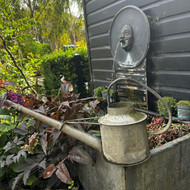
Once your rose is in the ground, the focus shifts to helping it establish strong roots and produce healthy, repeat flowering growth. In the next section, we'll explain how often to water roses, the best fertilisers to use, when to feed, the benefits of mulching and how to keep roses thriving throughout the growing season.
Watering, Feeding & Mulching Roses
Once your rose is established in the right place, the ongoing care it needs is surprisingly straightforward. Roses have a reputation for being demanding plants, but modern varieties are generally much easier to grow than many people expect. The secret isn't constant attention—it's providing the right care at the right time.
Healthy roses rely on three simple principles:
- Consistent watering, particularly while establishing.
- Balanced feeding to encourage healthy growth and repeat flowering.
- Annual mulching to improve the soil and conserve moisture.
Get these basics right and your roses will reward you with vigorous growth, healthy foliage and abundant blooms throughout the season.
How often should I water roses?
One of the most common questions we're asked is how often roses need watering. The answer depends on several factors, including the age of the plant, the weather, the soil type and whether the rose is growing in the ground or in a container.
The aim is not to keep the soil constantly wet, but to maintain consistent moisture while encouraging the roots to grow deeply.
Watering newly planted roses
During their first growing season, newly planted roses need regular watering while their root systems establish.
As a guide:
- Water thoroughly immediately after planting.
- Continue watering during prolonged dry periods.
- Check the soil regularly rather than watering to a fixed schedule.
- Water deeply so moisture reaches the developing roots.
Deep watering encourages stronger, deeper root systems than frequent light sprinkling.
Watering established roses
Once established, roses are remarkably resilient.
In a typical British summer, mature roses often need very little additional watering beyond natural rainfall. However, during extended hot or dry spells, a thorough soak every week or so is usually more beneficial than daily light watering.
Signs that a rose may need water include:
- Wilting or drooping young shoots.
- Flowers fading more quickly than usual.
- Dry soil several centimetres below the surface.
Always water the soil around the base of the plant rather than spraying the foliage, as wet leaves can encourage fungal diseases.
Watering roses in containers
Container-grown roses require more attention because compost dries out much faster than garden soil. During warm weather they may need watering every day, particularly if positioned in full sun or exposed to drying winds.
When watering containers:
- Water until moisture begins draining from the bottom of the pot.
- Avoid allowing containers to dry out completely.
- Ensure excess water can drain freely.
A good quality loam-based compost helps retain moisture while still providing excellent drainage.
When should I feed roses?
Roses are hungry plants compared with many garden shrubs, particularly repeat-flowering varieties that produce bloom after bloom throughout the summer. Regular feeding helps maintain healthy foliage, strong stems and continuous flowering. Rather than encouraging excessive leafy growth, a balanced rose fertiliser provides the nutrients needed for steady development and abundant flowers.
Spring feeding
The main feed is usually applied in early spring as new shoots begin to emerge. This supports vigorous new growth and helps the plant prepare for the flowering season ahead. Scatter the fertiliser evenly around the drip line of the rose, following the manufacturer's recommended application rates, then water if conditions are dry. Avoid placing fertiliser directly against the stems.
Feeding repeat-flowering roses
Hybrid Tea, Floribunda and many modern shrub roses benefit from a second, lighter feed after their first main flush of flowers.
This encourages fresh growth and supports further flowering later in the season. Once summer begins to draw to a close, avoid high-nitrogen fertilisers, as these can encourage soft growth that may not harden before winter.
Organic feeding
Many gardeners prefer to feed roses using organic materials that improve the soil as well as providing nutrients.
Suitable options include:
- Well-rotted farmyard manure.
- Garden compost.
- Organic rose fertilisers.
- Seaweed-based feeds.
- Fish, blood and bone.
Organic matter releases nutrients more gradually than many synthetic fertilisers while also encouraging healthy soil organisms. Healthy soil supports healthy roses.
The importance of mulching
If there is one job that offers multiple benefits with relatively little effort, it's mulching.
Applying a generous layer of organic mulch around roses each spring helps:
- Retain moisture during dry weather.
- Suppress weed growth.
- Improve soil structure.
- Encourage earthworms and beneficial microorganisms.
- Reduce temperature fluctuations around the roots.
Suitable mulches include:
- Well-rotted manure.
- Garden compost.
- Composted bark.
- Leaf mould.
Apply mulch to moist soil after feeding, leaving a small gap around the stems to prevent moisture building up against the base of the plant.
Do roses need feeding every year?
Yes. Even established roses benefit from annual feeding because producing large numbers of flowers requires considerable energy. Over time, nutrients are naturally removed from the soil through growth and flowering. Replacing these nutrients each spring helps maintain healthy plants and reliable flowering.
The exact amount required depends on your soil type, but regular moderate feeding is generally more beneficial than occasional heavy applications.
Should I use liquid feeds?
Liquid feeds can be particularly useful during the growing season, especially for container-grown roses. Because nutrients are available quickly, they provide an effective boost during periods of active growth and flowering. However, liquid feeds should complement rather than replace a balanced annual feeding programme.
Healthy soil remains the foundation of healthy roses.
Can you overfeed a rose?
Yes. Applying excessive fertiliser, particularly products high in nitrogen, encourages lush, soft growth that is often more susceptible to pests and diseases. It may also reduce flowering by encouraging the plant to produce leaves instead of blooms. Following the recommended application rates is almost always the best approach.
Remember that more fertiliser doesn't necessarily produce more flowers.
Water conservation during dry weather
Long, hot summers are becoming more common across parts of the UK. Simple techniques can help roses remain healthy while reducing water use.
These include:
- Applying organic mulch.
- Watering early in the morning or during the evening.
- Watering deeply rather than frequently.
- Improving soil with organic matter to increase moisture retention.
Healthy, well-established roses are generally much more drought tolerant than newly planted specimens.
Feeding Calendar
|
Season |
Recommended Care |
|
Late Winter / Early Spring |
Apply a balanced rose fertiliser as growth begins. |
|
Spring |
Mulch after feeding and water if rainfall is limited. |
|
Early Summer |
Feed repeat-flowering roses after the first flush of blooms. |
|
Mid to Late Summer |
Continue watering during dry spells. Avoid excessive nitrogen later in the season. |
|
Autumn |
Stop feeding and allow new growth to harden before winter. |
|
Winter |
No feeding required while roses are dormant. |
Common Watering & Feeding Mistakes
Fortunately, most problems are easy to avoid.
Watering little and often
Frequent shallow watering encourages surface rooting. Deep watering produces stronger, more drought-resistant plants.
Wetting the foliage
Watering over the leaves can increase the risk of fungal diseases. Aim the water at the soil around the base of the rose instead.
Forgetting container roses
Container-grown roses dry out much more quickly than those planted in the ground. Check them regularly throughout the summer.
Applying too much fertiliser
More feed does not mean more flowers. Balanced nutrition is far more effective than excessive applications.
Skipping mulch
Mulch improves the soil, conserves moisture and suppresses weeds. It's one of the simplest ways to keep roses healthy with less effort.
The RV Roger Approach
Many gardeners assume roses are thirsty, demanding plants that require constant attention. In reality, they're remarkably resilient once established.
Rather than watering every day or feeding little and often, we recommend building healthy soil, watering deeply when conditions require it and feeding at the key stages of the growing season. Combined with annual mulching, this approach encourages strong root systems, healthier foliage and an abundance of flowers.
A well-watered, well-fed rose is naturally better equipped to cope with periods of drought, resist disease and produce repeat displays throughout the summer.