
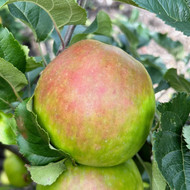
The key characteristic to be aware of when choosing apples for cooking is the level of acidity. The main organic acid found in apples is called malic acid, and the amount of malic acid in an apple has a profound effect on the taste. Lots of it and you end up with that face-puckering sourness of biting into an under-ripe culinary apple. Less of it, and the natural sugars in the fruit will balance it out and you move into the dual-purpose and dessert apples.
Crucially, the higher the acidity, the more the fruit will break down on cooking – which is why Bramley, with a high acid content and low sugars, falls to a complete fluff on stewing. Other, less acidic, cooking apples will still retain some shape on cooking (and also require less added sugar). The weather also affects the cooking qualities of the fruit – a hot and sunny summer increases the sugar content in the fruit, which is a reason some popular Scottish varieties keep their shape when cooked if grown further south.
The texture and cropping period also have an effect on cooking qualities. Varieties which ripen early in the season tend be softer and have flesh which is less dense (which is often why they won’t store for too long), and this makes them more liable to lose their shape and cook down to a puree. On the other hand, late cropping varieties tend to keep their shape more – so perfect for a baked apple or tarte tatin.
Here then, are our top 10 recommended cooking apple varieties to grow in UK gardens:
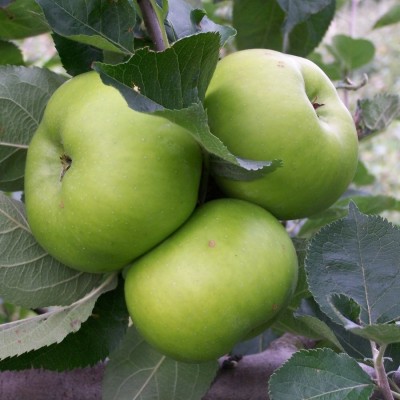
Probably needs no introduction, as the most famous and widely grown of all culinary varieties. Raised in Southwell, Nottingham in the early 1800’s from a pip, this variety has become the standard bearer by which all other cooking apples are judged. It stores extremely well, and keeps its acidity in storage, so cooks to a fine fluff with a delicate tang. It does, however, have its drawbacks - it’s an extremely vigorous variety, so needs regular pruning to keep in check. The blossom can suffer in spring frosts and the fruit can be susceptible to scab especially if grown in the west of the U.K.
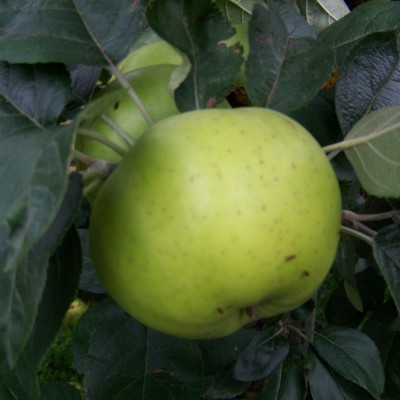
Probably the best of the early season cookers. Extremely reliable, this sets heavy crops of bright green fruit year after year, no matter the weather. The tree is quite compact and the fruit is tangy and cooks to a honey-flavoured purée. Crops in late August, the fruit will not store for long but is ideal for processing and freezing.
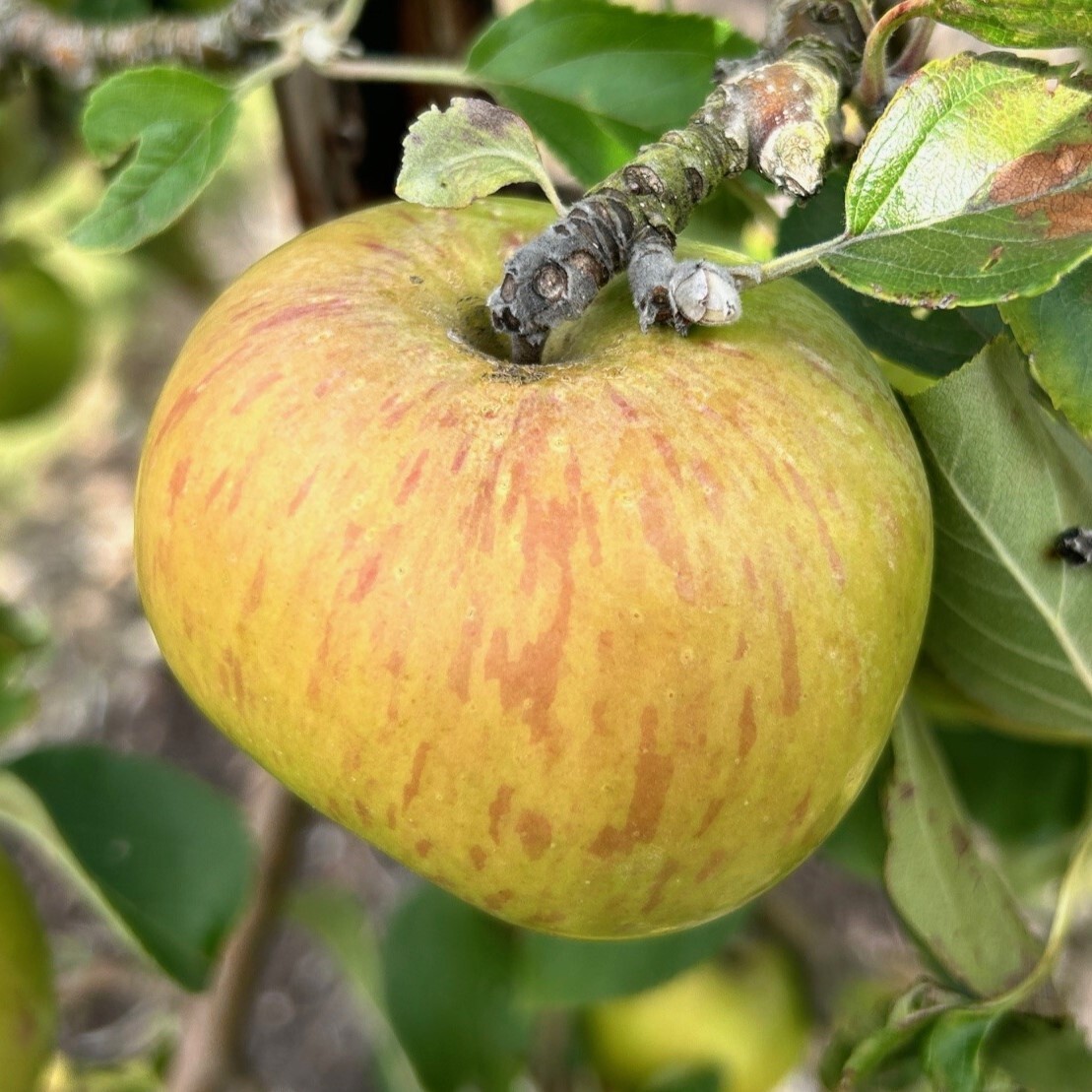
For the Victorians, Lane’s Prince Albert was one of the foremost culinary apples available. Discovered by Thomas Squire in the 1840’s, named by him after Prince Albert and introduced commercially by Lane’s nursery in Hertfordshire. Medium sized yellow-green fruit which develop prominent fine red stripes on ripening, this is one of the most reliable apples in any orchard, cropping heavily year after year. The sharp acidity of the fruit means that it falls to a puree on cooking, although it’s a good idea to dunk the fruit in a bowl of water with a little lemon juice added when preparing, as it quickly oxidises and turns brown once cut open. Nevertheless, an outstanding culinary apple.
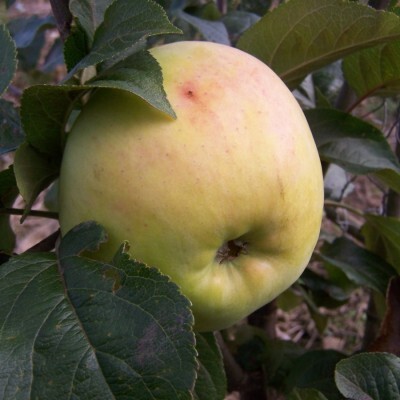
Introduced by the famous Veitch nursery of Chelsea in 1904, this is one of the best early cookers. Ripening in the first half of September, and producing large, flat apples which turn pale lemon yellow with a pale pink blush when ripe. Cooks to a very delicate puree, requiring little added sugar.
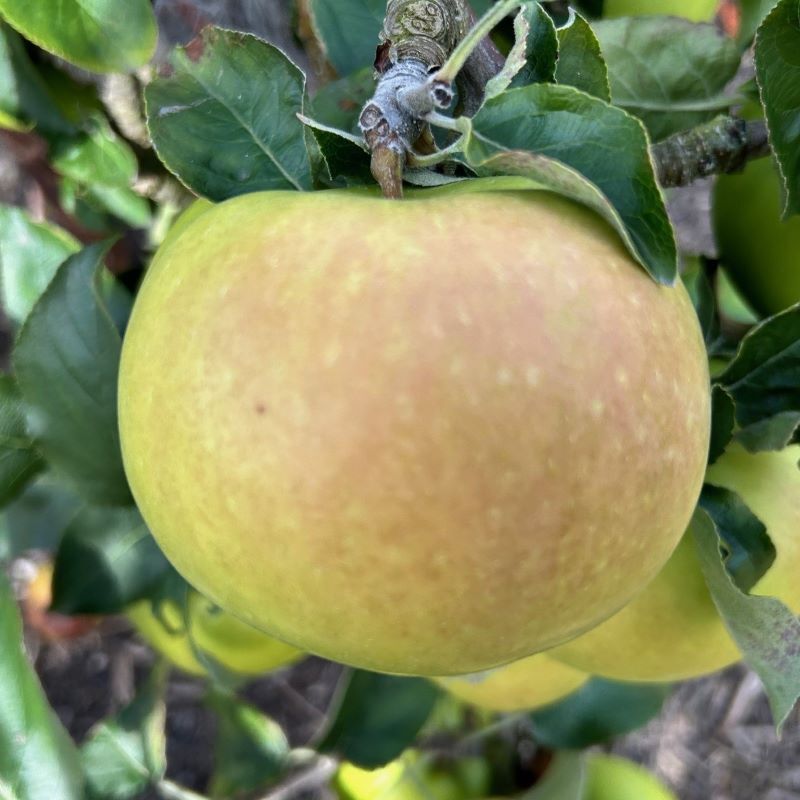
Another Victorian favourite which seems to have been pushed aside by the ubiquitous Bramley. Very large grass-green fruit are produced freely, ripening around the start of October and will happily store for 3 months or so. Makes one of the best apple sauces, tart and slightly acidic, perfect for roast pork. Quite vigorous in growth.
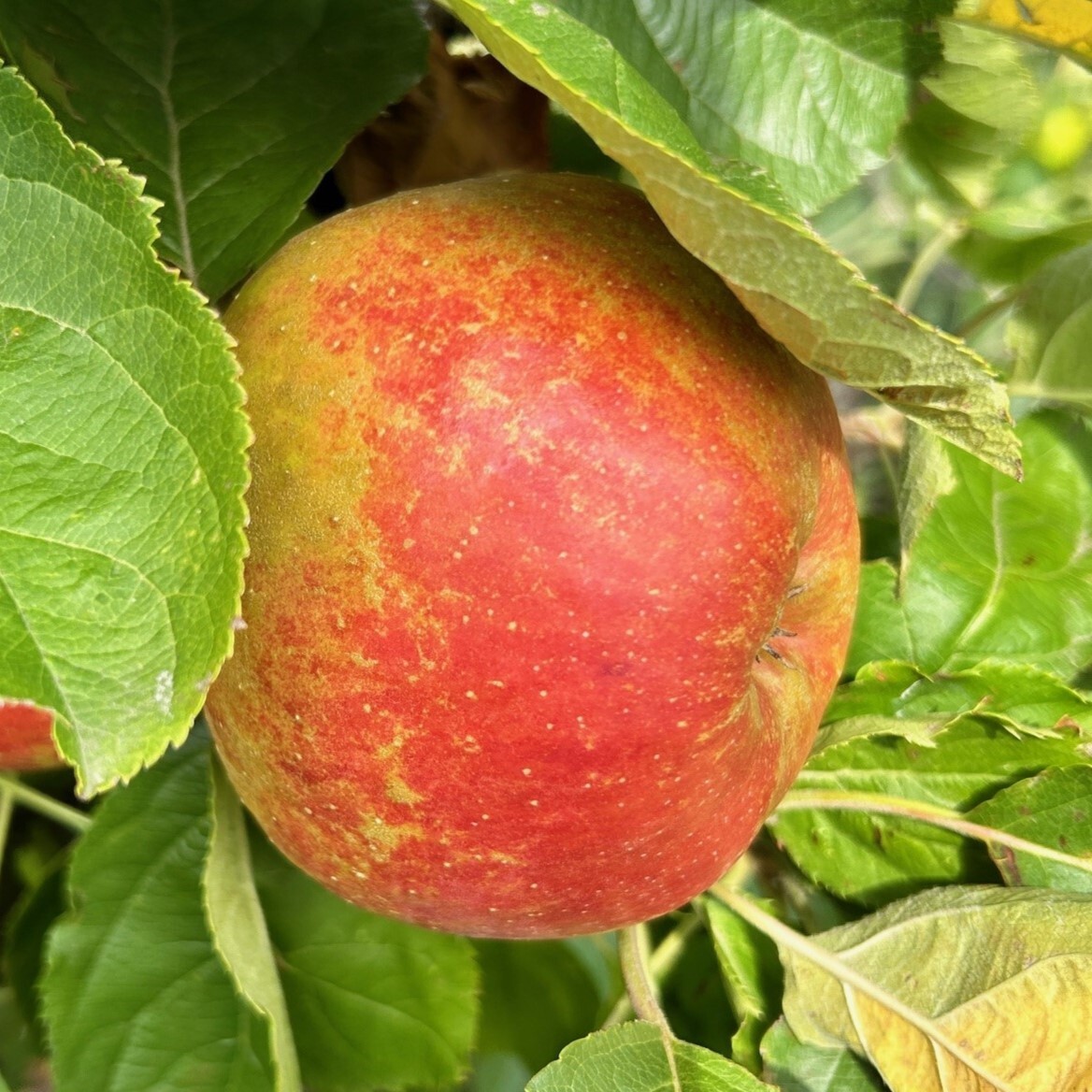
Introduced in the Netherlands in 1856, both Belle de Boskoop and the more recent red sport are astonishingly good apples, which are hugely popular in Europe but remain largely unknown in the UK. Large fruit, which varying amounts of russet on the skin, picked in October they cook wonderfully well, the firm green-white flesh turns keeps some shape so is perfect for pie-fillings or apple strudel. Once stored for a few weeks, they sweeten to become the perfect accompaniment to a rich cheddar, rich, aromatic and with a hint of pear drops. Can also be used for cider or juicing.
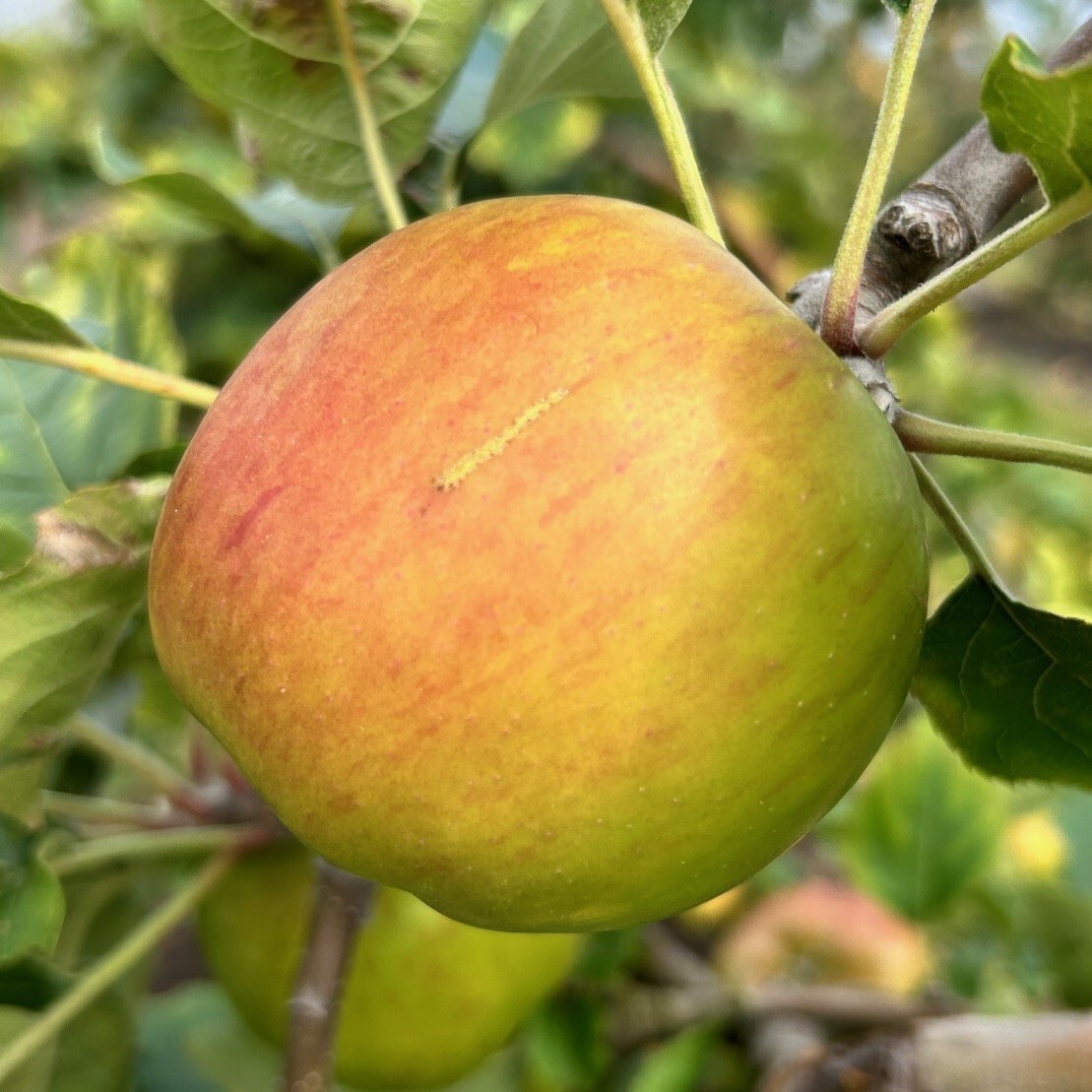
Grown in Scotland since the 1850’s, and later widely planted in the orchards of Cumbria as it tolerates cold, wet conditions so well. Keeps some shape when cooked, falls to a textured puree rather than a complete fluff, so perfect for apple sauce. Large conical fruit, green with some pale red flushing, with a balanced acidity. The Victorian fruit authority Robert Hogg rated it as “an excellent culinary apple”.
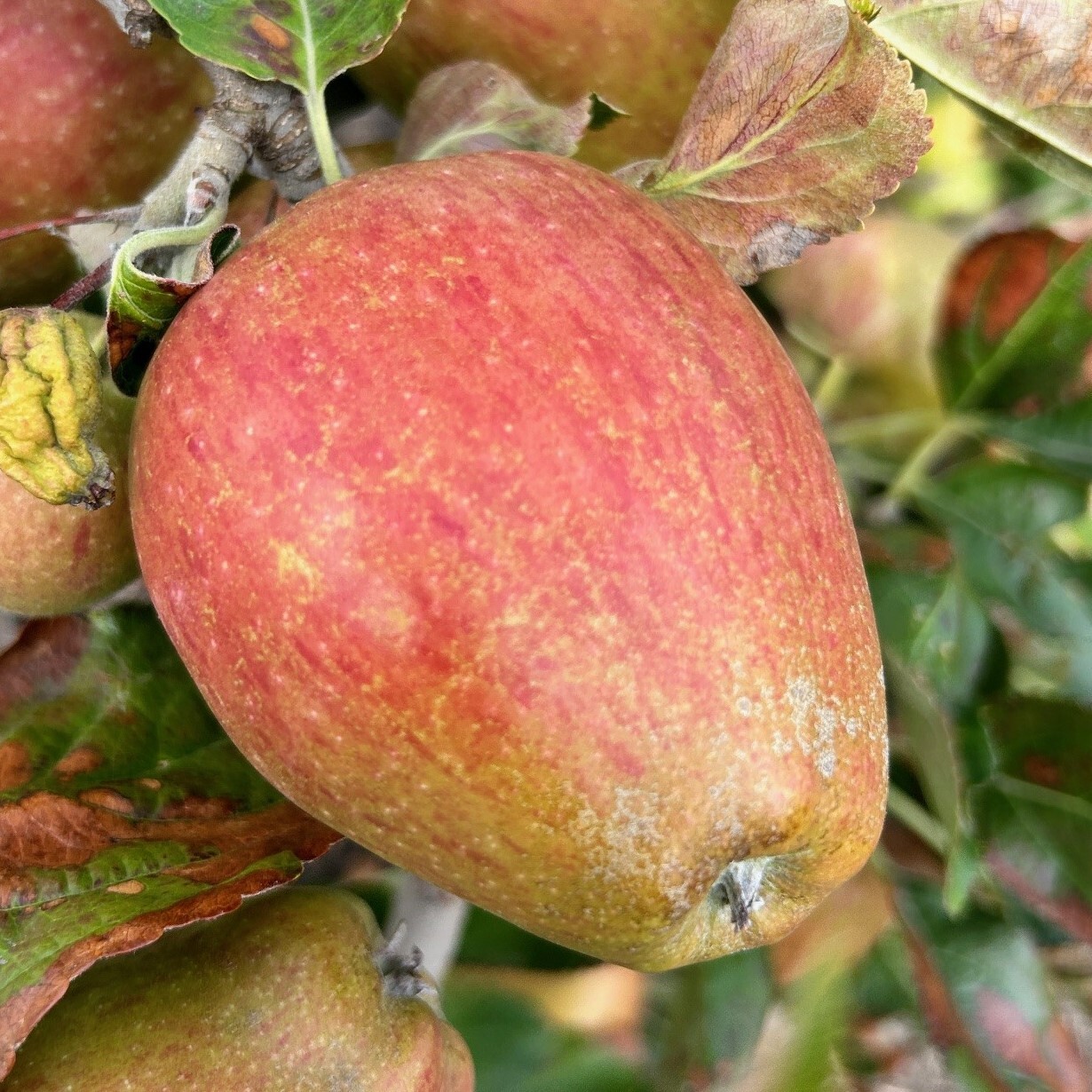
Raised at Smart’s nursery in Sittingbourne in Kent in the late 1800’s, and once widely grown for the London markets, this is an excellent late storing variety. The fruit is large, long and ribbed, with a dark maroon blush on sun exposed surfaces. The firm yellow flesh has a rich flavour, sweeter than most other cookers.
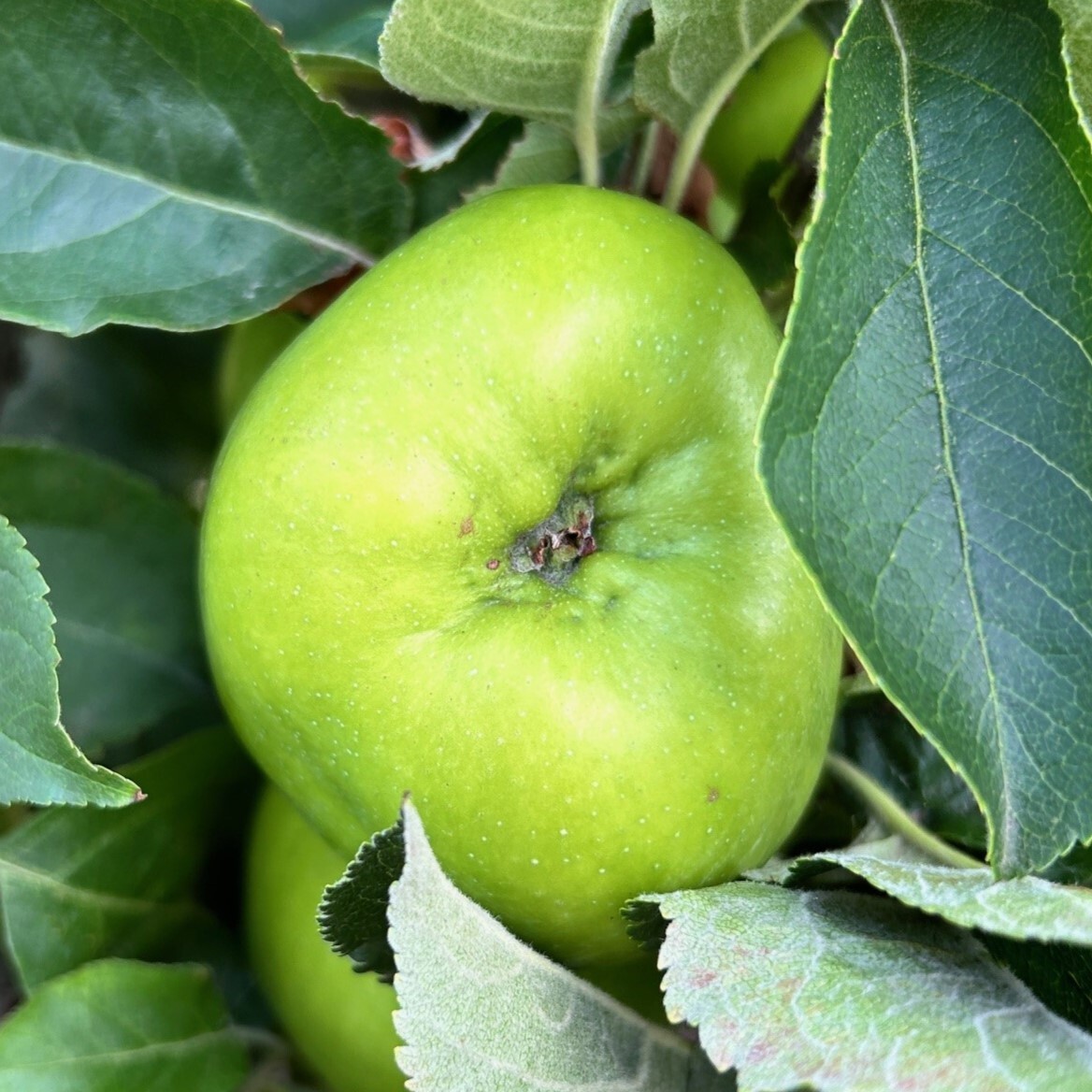
Raised by Mr Witham of Stockport, Cheshire in 1862, this apple has much to recommend it, especially in cold, wet or exposed sites where it will thrive. Produces heavy crops of acid green fruit, ready to pick in mid-September at which time the fruit will have a rich acidity and cook to a puree – although this mellows in storage and the later fruit tends to keep its shape more.
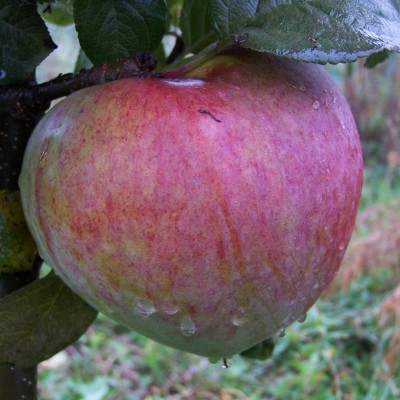
An excellent alternative to Bramley - huge red flushed fruit are produced in early October which will keep well until the following spring. Hardy and good for the north of the U.K., but like Bramley it is a vigorous variety so not ideal if space is tight. Makes a wonderful baked apple.
Browse our full range of apple trees here - Apple Trees for Sale | Heritage & Dessert Apples | RV Roger